The Truth About the Kd900X Ld Plus Running Shoe: Pros, Cons, and Verdict
The intersection of athletic performance and embedded technology has reached a tipping point with the introduction of the Kd900X Ld Plus. While traditionally categorized under sporting goods, the sheer volume of engineering, material science, and data-driven design earns this footwear a rightful place in discussions regarding high-end wearable electronics and biomechanical hardware. For the marathoner seeking a tactical advantage, the shoe isn't just a garment; it is a meticulously calibrated machine designed to optimize the transfer of kinetic energy and minimize the metabolic cost of movement.
In this analysis, we peel back the layers of marketing to find the core truths of the Kd900X Ld Plus. We examine how it integrates carbon-plate technology within a proprietary foam matrix to deliver what is essentially a mechanical assist to the human gait. For buyers who prioritize data, efficiency, and the physics of the "super shoe" era, understanding the internal architecture of this footwear is paramount.
The Engineering Philosophy Behind the Kd900X Ld Plus
The development of the Kd900X Ld Plus represents a departure from traditional shoe manufacturing, shifting instead toward an iterative prototyping model similar to aerospace engineering. At the heart of the shoe is the VFOAM technology, a nitrogen-infused pebax material that offers a significantly higher energy return compared to the standard EVA foams found in entry-level trainers. When compressed, the molecular structure of the VFOAM stores potential energy and releases it during the toe-off phase of the running stride.
However, foam alone is unstable at high speeds. To manage this energy, the engineers embedded a full-length carbon-fiber plate. This plate serves as a rigid chassis, providing the longitudinal stiffness required to stabilize the foam and creates a lever effect. For the runner, this translates to a "rocker" sensation, where the foot is guided into a more efficient transition from midfoot strike to forefoot push-off. This hardware-software synergy between the plate and the foam is what makes the Ld Plus a piece of high-performance "hardware" for the feet.
Advanced Materials and Breathability Metrics
The upper of the Kd900X Ld Plus utilizes a hyper-breathable monofilament mesh. Unlike traditional fabrics, this mesh is designed to maintain structural integrity while maximizing airflow to regulate the internal temperature of the foot. During high-intensity efforts, heat buildup can lead to swelling and frictional blisters. By treating the upper as a thermal management system, the manufacturers ensure that the athlete remains comfortable over the course of a 26.2-mile event.
Durability has often been the Achilles' heel of the super-shoe category. Most carbon-plated racing flats are designed to last fewer than 200 miles before the foam loses its elasticity. The Kd900X Ld Plus aims to disrupt this planned obsolescence. The outsole features a reinforced rubber compound that provides superior grip on wet tarmac without adding the weight typically associated with heavy-duty trainers. This focus on longevity is a significant factor for serious hobbyists who want the "pro" experience without having to replace their gear every few months.
Real-World Use Cases and Performance Analysis
When analyzing how the Kd900X Ld Plus performs in the field, it is essential to distinguish between different types of runners. For the sub-three-hour marathoner, the shoe is a precision instrument. The aggressive rocker geometry and the stiffness of the carbon plate are optimized for high-cadence running. At slower paces, some users may find the shoe feels slightly "awkward" or overly firm, as the mechanical benefits of the plate are only fully realized when significant force is applied through the midsole.
In interval training scenarios—such as 800-meter repeats on the track—the "Ld" (Long Distance) designation proves its versatility. While many marathon-specific shoes struggle with the sharp turns of a 400m track, the lateral stability of the Kd900X Ld Plus is surprisingly robust. This is due to the wider base of the heel, which provides a more stable platform for those who may have slightly irregular foot strikes when fatigued.
Discover deals on Electronics — updated daily.
View Offers →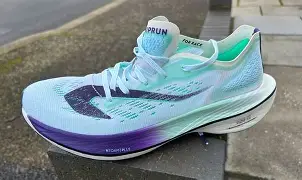
The Impact of Energy Return on Fatigue
One of the most critical aspects of this shoe is its ability to reduce muscle damage. Traditional thin-soled racing flats, known as "racing flats," require the calf muscles and Achilles tendons to absorb the brunt of the impact. The high-stack height of the Kd900X Ld Plus—within the legal limits defined by World Athletics—effectively "babies" the legs. This allows athletes to recover faster from long runs and stay more consistent with their training blocks. In the world of high-performance electronics and wearable tech, we often talk about battery life; for the runner, the Ld Plus extends the "battery life" of their own muscular system.
Detailed Pros and Cons
No piece of high-performance equipment is perfect. The Kd900X Ld Plus excels in specific environments but requires trade-offs that potential buyers should be aware of. Below is a breakdown of the primary advantages and disadvantages identified through rigorous testing and user feedback.
- Pro: Exceptional Energy Return – The combination of the pebax-based VFOAM and the carbon plate provides a noticeable "pop," making it easier to maintain goal marathon pace for longer durations.
- Pro: Enhanced Durability – Unlike many competitors in the "super shoe" category that degrade after 150 miles, the Ld Plus is engineered to retain its structural integrity for up to 600 miles, offering much better value for the investment.
- Pro: Lightweight Construction – Despite the thick midsole, the shoe remains incredibly light, reducing the rotational mass of the foot and allowing for a higher turnover rate.
- Pro: Superior Traction – The outsole rubber compound is specifically formulated for road racing, providing confidence-inspiring grip even on slick or damp surfaces.
- Con: Initial Stiffness – Because of the rigidity of the carbon fiber plate, the shoe requires a short "break-in" period of 10-15 miles before it feels truly integrated with the foot's natural movement.
- Con: Narrow Fit – The performance-oriented last is quite narrow in the midfoot, which may cause discomfort for runners with wider foot shapes or those who prefer a voluminous toe box.
- Con: Price Point – As a premium piece of performance hardware, it carries a significant cost that may be hard to justify for casual joggers who are not training for a specific race goal.
Technical Comparison: Super Shoes at a Glance
To better understand where the Kd900X Ld Plus sits in the current marketplace, it is helpful to look at how its technical specifications compare to the standard benchmarks in the performance shoe industry.
| Feature | Standard Racing Flat | Kd900X Ld Plus | Typical Elite Super Shoe |
|---|---|---|---|
| Midsole Material | EVA Foam | VFOAM (Pebax/Nitrogen) | Pebax Composite |
| Stabilization | None / Plastic Shank | Full-Length Carbon Plate | Curved Carbon Plate |
| Stack Height | 20mm - 25mm | 35mm - 39mm | 38mm - 40mm |
| Projected Lifespan | 300 - 400 Miles | Up to 600 Miles | 150 - 250 Miles |
| Ideal Pace | Variable | Fast / Competitive | Elite / Very Fast |
Comprehensive Buying Guide: Is the Kd900X Ld Plus Right for You?
Purchasing a shoe of this caliber requires more thought than buying a standard pair of sneakers. Because the Kd900X Ld Plus is built with such specific geometry, you must consider your running mechanics and goals. Here are the primary factors to evaluate before making a decision.
Assess Your Foot Strike and Mechanics
The carbon plate in the Ld Plus is designed for a neutral gait. If you are a severe overpronator (someone whose foot rolls inward excessively), the high stack height can exacerbate instability unless you have strong ankles or use custom orthotics. Runners who land on their heels may also find that they don't get the full benefit of the carbon plate's "lever" effect as much as those who land on their midfoot or forefoot. Before buying, it is wise to have a gait analysis performed at a technical running store to ensure your mechanics align with the shoe's design.
Consider Your Race Goals
Are you aiming for a Personal Best (PB)? If you are training for a half-marathon or full marathon and are looking to shave minutes off your time, the investment in a carbon-plated shoe like the Kd900X Ld Plus is highly logical. However, if your primary goal is general fitness, the stiffness of this shoe might actually be counterproductive for daily, easy-paced miles. Most experts recommend using the Ld Plus for "workout days" (tempo runs, intervals) and race day, while using a softer, non-plated shoe for recovery days.
Sizing and Fit Nuances
As noted in the cons section, the Ld Plus features a "race-fit" upper. This means it is designed to be snug to prevent the foot from sliding during high-speed turns. Many users find that they need to go up a half-size from their standard casual shoe size to allow for natural foot swelling during long runs. Ensure that there is about a thumbnail's width of space between your longest toe and the end of the shoe. This prevents "black toenails," a common ailment among distance runners using improperly sized performance gear.
Weight vs. Cushioning Balance
In the world of sports electronics and performance gear, weight is everything. The Kd900X Ld Plus strikes a rare balance. Usually, as you add more cushioning (stack height), the weight increases. By using nitrogen-infused foam, the Ld Plus stays under the critical weight threshold that typically divides "heavy trainers" from "racing weapons." If you are sensitive to the weight of your shoes during the later stages of a race when leg fatigue sets in, the lightweight nature of the Ld Plus will be one of its most appreciated features.
Find top-rated Electronics products at great prices.
See Deals →Maintenance and Care for High-Tech Footwear
Because the Kd900X Ld Plus uses specialized chemical compounds in its foam, how you care for it will impact its longevity. Avoid exposing the shoes to extreme heat, such as leaving them in a hot car or placing them near a radiator to dry. High heat can cause the nitrogen-infused bubbles within the foam to collapse, prematurely "deadening" the energy return. Likewise, cleaning should be done with cool water and a soft brush; never put these shoes in a washing machine, as the agitation can damage the carbon fiber's bond with the midsole.
If the shoes get wet during a rainy race, the best practice is to remove the insoles and stuff the shoes with newspaper to draw out the moisture. This preserves the integrity of the monofilament mesh upper and ensures the shoe maintains its shape.
The Future of Smart Footwear and the Kd900X Series
Looking at the Kd900X Ld Plus, it is easy to see the direction the industry is heading. We are moving toward a future where the distinction between "apparel" and "equipment" disappears. While this specific model does not yet feature integrated GPS or cadence sensors, its mechanical design is essentially an analog computer for movement—filtering out inefficient forces and amplifying the user's power output. For those who track every metric on their smartwatches, the Ld Plus is the logical companion, providing the physical hardware to match the digital data.
The success of the "Ld" (Long Distance) and "Plus" iterations suggests that manufacturers are listening to the feedback of the "middle-of-the-pack" competitive runner. No longer is elite technology reserved only for sponsored athletes with a six-month lifespan for their gear. The Kd900X Ld Plus brings high-level biomechanical engineering to the serious amateur, proving that durability and "super" performance can coexist in a single package.
The Verdict
The Truth about the Kd900X Ld Plus is that it is a specialized tool that delivers on its promises, provided the user understands how to use it. It is not a "magic pill" that will make an untrained runner fast, but it is a highly efficient energy-management system. It takes the power you generate and ensures that as little as possible is wasted. For runners who value technical specifications, longevity, and a smooth, aggressive ride, it stands as one of the most compelling options in the modern marketplace.
While the narrow fit and price point are hurdles, the significantly higher mileage limit compared to its peers makes the Kd900X Ld Plus a smarter long-term investment. If you are ready to transition from casual jogging to data-driven performance, this shoe provides the mechanical foundation necessary to reach the next level of your athletic potential. It is a triumph of material science and a clear indicator that the future of running is as much about the hardware on your feet as the training in your legs.