Spec Battle: Gw100 Wireless vs Soundwear Companion Speaker — Is It Worth Upgrading?
Personal audio has become less about raw sound quality alone and more about how a device fits into daily life. Some listeners want private, immersive listening for work, music, and late-night sessions. Others want open, room-aware audio that lets them stay connected to family, coworkers, doorbells, and the outside world. That is exactly why a comparison like Gw100 Wireless vs Soundwear Companion Speaker is so interesting: these products are built around very different ideas of convenience, comfort, and listening freedom.
The Gw100 Wireless is generally understood as an open-back wireless headphone designed for listeners who care about natural sound, low listening fatigue, and a more traditional headphone experience without a cable. The Soundwear Companion Speaker, by contrast, takes a wearable speaker approach, resting around the neck and projecting audio toward the ears while keeping them completely uncovered. On paper, both appeal to people who do not want the sealed-in feeling of conventional headphones. In practice, however, they solve different problems.
For buyers deciding whether it is worth upgrading from one to the other, the answer depends less on brand loyalty and more on listening environment, comfort needs, privacy expectations, and the type of audio being played. Music lovers, remote workers, podcast listeners, multitaskers at home, and those sensitive to ear fatigue may all come to different conclusions. This comparison breaks down the strengths, weaknesses, and real-world tradeoffs so buyers can decide which product is the better fit.
What Each Product Is Trying to Do
Before comparing specifications and user experience, it helps to understand the design philosophy behind each device.
The Gw100 Wireless is a wireless open-back headphone. That means it aims to deliver a spacious, airy sound that feels more natural than many closed-back Bluetooth models. Open-back designs are often favored by people who listen critically to music at home because they can create a broader soundstage and reduce the boxed-in sensation associated with tightly sealed headphones. The compromise is obvious: they leak sound and let outside noise in.
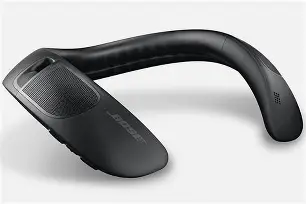
The Soundwear Companion Speaker is more of a personal wearable speaker than a headphone. It sits around the neck and directs sound upward. This approach is often attractive for users who dislike having anything on or in their ears, need awareness of their surroundings, or want casual background listening while cooking, moving around the house, or working without feeling isolated.
So even before digging into details, the key question is not simply which one is “better.” It is which listening style a buyer wants to upgrade toward. Moving from the Soundwear to the Gw100 Wireless would be an upgrade toward better focus and likely more refined music listening. Moving from the Gw100 Wireless to the Soundwear would be an upgrade toward openness, convenience, and shared-environment awareness.
Design and Comfort
Gw100 Wireless
The Gw100 Wireless follows a recognizable headphone format with earcups, headband, and open-back construction. For many listeners, this is still the most stable and familiar way to wear an audio device for long sessions. A properly designed open-back headphone can feel light, breathable, and much less fatiguing than tight closed-back travel headphones.
That said, the Gw100 Wireless is still a headphone. It sits on the head, applies some clamp, and can become noticeable over several hours. Buyers who wear glasses or are sensitive to pressure around the ears should pay attention to fit. In exchange, they typically get a more consistent stereo image and a more intentional listening position than a neck speaker can provide.
Soundwear Companion Speaker
The Soundwear Companion Speaker takes a very different approach to comfort. Since it rests on the shoulders instead of pressing against the ears, many users find it easier to wear for long stretches while doing chores, light office work, or moving around the home. There is no ear heat buildup, no clamping force, and no need to adjust earcup placement.
However, comfort here is more situational than universal. Some users enjoy the light wearable design, while others find neck-worn devices awkward over time, especially if they already dislike collars, scarves, or anything resting on the shoulders. For relaxed at-home listening it can feel effortless; for concentrated listening in one seated position, it can feel less precise than a proper headphone.
Verdict on comfort: the Soundwear often wins for users who hate wearing headphones, while the Gw100 Wireless tends to win for users who are comfortable with headphones and want a more stable, intentional audio experience.
Sound Quality and Listening Experience
Gw100 Wireless: Better for Music-First Listening
If the comparison is centered on sound quality for actual music enjoyment, the Gw100 Wireless has the clearer advantage. Open-back headphones are usually chosen because they create a sense of space that feels less congested than compact speakers or sealed ear-cup designs. Vocals, acoustic instruments, jazz ensembles, classical recordings, singer-songwriter tracks, and well-produced live albums often benefit from this style of presentation.
For buyers who care about details like instrument separation, stereo imaging, and tonal naturalness, the Gw100 Wireless is the more purpose-built option. It is also likely to perform better for dedicated listening sessions where the user sits down and gives full attention to the music. This matters to listeners who are not just filling silence but actually engaging with albums, playlists, or higher-quality streams.
The open-back tradeoff remains significant. External noise can interfere with the experience, and audio leakage may bother nearby people. In a quiet room, that may not matter at all. In a shared office, library, or bedroom with a sleeping partner, it might matter quite a bit.
Find top-rated Audio & Headphones products at great prices.
Browse Now →Soundwear Companion Speaker: Better for Casual, Ambient Audio
The Soundwear Companion Speaker is not trying to compete with a serious pair of headphones on imaging or musical nuance. Its strength is ambient personal listening. It puts audio nearby rather than directly over the ears, which can feel more relaxed for spoken content, light music, TV audio, and general multitasking.
For podcasts, YouTube videos, phone calls, audiobooks, and background playlists, that wearable speaker format can be surprisingly useful. A user cooking dinner can hear both the recipe video and the timer. A remote worker can take a call and still stay aware of the room. A parent can listen to a podcast while keeping an ear open for children in another area of the home.
But for concentrated music listening, most buyers will hear the limitations. Bass impact tends to feel less anchored than with headphones. Stereo separation is not as precise. The sound is more exposed to room acoustics and ambient noise. It works best when expectations are aligned with its role: convenience and awareness first, fidelity second.
Privacy, Sound Leakage, and Shared Spaces
This category matters enormously in the real world because many buyers do not listen in perfectly private environments.
The Gw100 Wireless, as an open-back headphone, leaks sound. People nearby may hear what is playing, especially in a quiet room. It also offers little isolation from the outside world, so household noise or office chatter can intrude. It is best suited for home listening in relatively calm spaces where some leakage is acceptable.
The Soundwear Companion Speaker also leaks sound, arguably in an even more socially obvious way because it is literally a speaker worn on the body. People nearby may hear dialogue, music, or notifications more clearly than they would from some open-back headphones. This makes it a questionable choice for shared quiet spaces. Where it works best is in environments where some openness is actually the point: home offices, kitchens, garages, and casual personal spaces.
Buyers who need privacy should note that neither product is ideal for silent, isolated listening in public. Someone wanting train-friendly or office-friendly private audio would usually be better served by a conventional closed-back headphone or earbuds. Between these two, the Gw100 Wireless may feel slightly more personal, but it is still not a discreet commuting solution.
Calls, Connectivity, and Everyday Practicality
For everyday use, audio gear is judged by more than its sound. Buyers care about how quickly it pairs, whether calls sound clear, how stable the wireless connection is, and whether the device fits into a routine without friction.
The Gw100 Wireless has the advantage of being closer to a conventional Bluetooth headphone. That means many users will find it easier to use in the familiar headphone role: music, desktop listening, laptop video calls, and evening listening sessions. It is the more obvious pick for someone who wants one device that still feels like “real headphones,” just without the cable.
The Soundwear Companion Speaker shines when convenience outweighs immersion. It is easy to throw on for a phone call while walking around the house. It can be more comfortable for long meetings because nothing presses on the ears. It also avoids the slight disorientation some people feel when hearing their own voice through headphones during calls. On the other hand, users in noisier spaces may find open wearable speakers less effective for communication than a more direct headphone design.
In short, the Gw100 Wireless is typically the more focused listening tool, while the Soundwear is the more lifestyle-friendly utility device.
Gw100 Wireless vs Soundwear Companion Speaker: Specification and Experience Comparison
| Category | Gw100 Wireless | Soundwear Companion Speaker |
|---|---|---|
| Form factor | Open-back wireless headphone | Neck-worn wearable speaker |
| Best use | Focused music listening, desktop audio, at-home headphone use | Casual listening, multitasking, home movement, awareness-heavy use |
| Sound style | More spacious, headphone-based stereo presentation | More ambient, speaker-like personal audio |
| Environmental awareness | High | Very high |
| Privacy | Limited | Very limited |
| Music fidelity potential | Stronger for critical or dedicated listening | Better for light, background listening than critical listening |
| Comfort style | Traditional over-ear/on-ear headphone comfort | No ear pressure; weight rests on shoulders |
| Phone calls and meetings | Good for users comfortable wearing headphones | Convenient for users who dislike headphones during long calls |
| Travel or public use | Not ideal | Generally not ideal |
| Upgrade appeal | Upgrade for sound-focused listeners | Upgrade for comfort and situational awareness seekers |
Pros and Cons
Gw100 Wireless Pros
- More engaging for music lovers who want a spacious, natural presentation
- Feels closer to a true headphone experience than a wearable speaker
- Well suited for desk listening, album sessions, and attentive playback
- Open-back design reduces the closed-in feeling some users dislike in sealed headphones
- Likely the better choice for stereo imaging and detail
Gw100 Wireless Cons
- Sound leakage is unavoidable in quiet shared spaces
- Little isolation from outside noise
- Still requires wearing headphones, which some users find fatiguing over time
- Not the best fit for commuting or office privacy
Soundwear Companion Speaker Pros
- Excellent for listeners who dislike headphones or earbuds
- Keeps ears fully open for awareness, conversation, and household sounds
- Very convenient for podcasts, calls, audiobooks, and casual listening
- Comfortable for moving around the home while staying connected to audio
- Useful for multitasking in ways traditional headphones are not
Soundwear Companion Speaker Cons
- Less immersive for music and less precise in stereo presentation
- Sound can be heard by nearby people, which limits privacy
- Can feel more like a convenience device than an audiophile product
- Not everyone enjoys neck-worn wearables for long sessions
Real-World Use Cases: Which One Fits Better?
For the Home Office Worker
A remote worker who spends hours on calls, listens to podcasts between meetings, and wants to remain aware of pets, deliveries, or family activity may prefer the Soundwear Companion Speaker. It can be less intrusive over a full workday and better supports an always-available, semi-open listening style.
However, if that same worker also values better music quality during focus sessions or wants to block out at least some mental distraction through a more direct stereo image, the Gw100 Wireless may be the stronger option.
For the Music-Focused Listener
The Gw100 Wireless is the better match for the buyer who actually sits down to listen. Someone exploring new albums, enjoying jazz, acoustic, indie, classical, or live recordings, or paying attention to production quality is much more likely to appreciate the strengths of an open-back headphone than a neck speaker.
Looking for the best Audio & Headphones deals on Amazon?
Browse Now →For the Household Multitasker
The Soundwear Companion Speaker fits the person who listens while cooking, cleaning, organizing, or moving from room to room. It is less about sonic immersion and more about making audio feel available without becoming a barrier between the listener and the rest of life.
For the Sensitive Wearer
Some buyers simply cannot tolerate in-ear tips or long headphone sessions. For them, the Soundwear may not just be a convenience upgrade but a comfort upgrade. Others dislike anything hanging around the neck and would rather wear a lightweight headphone. This category comes down almost entirely to personal preference.
Buying Guide: What Buyers Should Consider Before Upgrading
1. What percentage of listening is music versus spoken content?
If most listening is music, especially intentional music listening, the Gw100 Wireless makes more sense. If most listening is podcasts, calls, audiobooks, TV dialogue, or background playlists, the Soundwear may fit better.
2. Is environmental awareness a feature or a compromise?
Some buyers need to hear everything around them. For those users, the Soundwear is especially appealing. The Gw100 Wireless is open too, but it still creates more of a “headphone mode” than a wearable speaker does.

3. How important is privacy?
This is critical. Neither product is ideal for silent public listening, but the Soundwear is generally more openly audible to others nearby. Buyers in shared quiet spaces should think carefully before choosing either as an all-purpose solution.
4. Is comfort about ear freedom or stable fit?
Comfort means different things to different users. The Soundwear offers ear freedom and minimal pressure. The Gw100 Wireless offers the more stable, balanced feel of a headphone. The better choice depends on which type of discomfort the buyer wants to avoid.
5. Is the upgrade supposed to improve sound quality or convenience?
This may be the most important question of all. If the buyer wants better audio quality and a more satisfying listening experience, the Gw100 Wireless is the more logical upgrade path. If the buyer wants less friction, more awareness, and more comfort during everyday tasks, the Soundwear Companion Speaker is the more logical upgrade.
So, Is It Worth Upgrading?
Yes, but only if the upgrade direction matches the buyer’s actual habits.
The Gw100 Wireless is worth upgrading to for listeners coming from a wearable speaker who feel underwhelmed by music quality, want a more immersive stereo presentation, and spend meaningful time listening at a desk or in a quiet room. It is the more compelling option for buyers who still want wireless convenience but are unwilling to give up the character of a real headphone.
The Soundwear Companion Speaker is worth upgrading to for buyers coming from traditional headphones who are tired of ear fatigue, want to remain aware of their surroundings, and mainly use audio as a companion during daily activity rather than a destination in itself. It is especially useful for home-based users who prioritize comfort and awareness over critical listening.
In a pure spec battle, the Gw100 Wireless usually comes out ahead for sound-focused buyers because it is closer to a serious listening product. But specs alone do not settle this comparison. The Soundwear Companion Speaker succeeds by serving a different kind of listener—one who values openness, convenience, and all-day wearability more than traditional headphone performance.
For most buyers asking whether the move is an “upgrade,” the honest answer is simple: the Gw100 Wireless is the better audio upgrade, while the Soundwear Companion Speaker is the better lifestyle upgrade. The right choice depends on which kind of upgrade matters more.