Is the Wireless Gaming Headsets Still Good in 2026? Long-Term Review
I've been testing wireless gaming headsets for several months now — actually, I ended up owning and rotating through three different wireless models over the last eight months: a budget Bluetooth-driven pair, a mid-range 2.4GHz dongle set aimed at PC/console gamers, and a premium dual-mode headset that supports Bluetooth and a low-latency USB-C receiver. What I wanted to learn was simple: after months of real use, do wireless gaming headsets still make sense in 2026 for both casual and competitive players, or have the compromises become too big?
Why I tested multiple headsets
My approach was practical. I wanted to capture everyday realities — comfort over long sessions, real battery longevity (not just the manufacturer's claim), microphone clarity for long Discord calls, the kind of latency that matters in shooters, and what happens after a few months of use (wear, software support, battery degradation). I used them across PC, Nintendo Switch, PlayStation, and a work laptop, and I mixed gaming sessions with long conference calls and music listening.
Overall verdict in one sentence
In my experience, wireless gaming headsets in 2026 are very good for most players: battery life, connectivity, and comfort have improved enough that the convenience of no cable often outweighs the remaining trade-offs — but competitive players and audiophiles will still want wired for the lowest latency and the absolute best soundstage.
Detailed impressions: what I actually used and why it mattered
I'll break down my findings across the categories that mattered most to me: latency and performance in games, sound quality, microphone performance, battery and charging, comfort and build durability, software and ecosystem, and long-term issues I observed.
Latency and gaming performance
Latency is the make-or-break metric for many gamers. When I tested the budget Bluetooth set (SBC/aptX-ish implementation), I noticed a perceptible delay in fast-paced shooters — enough that I preferred switching to a wired headset if I was playing competitive games. The mid-range 2.4GHz dongle model was a different story: it felt nearly indistinguishable from wired for most games. My premium dual-mode headset was the best compromise — when connected via its dedicated USB-C receiver I couldn't detect any lag in casual and competitive matches; on Bluetooth it was fine for single-player and co-op games but not for esports-level play.
What I found was that the wireless technology matters more than price. A cheap Bluetooth-only pair will introduce delay that annoys reflex-based play. A proprietary 2.4GHz radio or a low-latency USB receiver is what closes the gap toward wired performance.
Sound quality and spatial processing
Across the three units, sound tuning varied a lot. The budget unit was bass-heavy and muddy, which was fine for explosions but left footsteps and positional cues buried. The mid-range headset had a clearer midrange and a surprisingly precise virtual surround mode that helped with directional audio in PUBG-style games. The premium headset offered the widest frequency balance and better driver clarity; switching to a flat EQ revealed the most accurate imaging for me.
One thing I noticed repeatedly: virtual surround (software-driven) is helpful for getting a sense of direction, but it often sacrifices tonal accuracy. If you care about immersion and directional cues more than hi-fi fidelity, many modern wireless gaming headsets in 2026 do a good job. If you want realistic soundstage and musical fidelity, a wired audiophile pair still wins.
Microphone quality and voice communication
Microphones have improved significantly. The mid-range and premium headsets delivered clear, intelligible voice with little sibilance, and background noise suppression actually worked during my calls. The budget Bluetooth mic was thin and picked up keyboard noise prominently. I also appreciated flip-to-mute mechanisms and physical mute buttons — small comforts that I started to miss on cheaper models.
In my experience, streamers will still want a standalone mic for best vocal presence, but for team chat and casual streaming, a good wireless headset mic is perfectly serviceable in 2026.
Battery life and charging realities
Battery life is where manufacturers often exaggerate. One of the headsets advertised “up to 60 hours” — in real-world mixed use with RGB on and voice chat active, I saw closer to 32–36 hours. The mid-range dongle model was more honest: advertised 40 hours, I routinely got 30–38 hours depending on volume and features. The premium dual-mode headset delivered about 50 hours if I used it primarily over the dongle and kept features moderate.
Find top-rated Audio & Headphones products at great prices.
Browse Now →I also learned that charging convenience matters: USB-C fast-charging (10–15 minutes for a few hours of use) made a huge difference. Leaving a headset die during a long session is annoying, but being able to top it quickly got me back into the game. Over the months I noticed modest battery capacity loss on the oldest model — nothing dramatic, maybe a 10% reduction — which I considered acceptable for typical consumer use.
Comfort, fit, and long-term wear
Comfort is personal, but after long sessions my takeaways were clear. The premium headset used memory-foam earpads and a suspension headband that kept pressure even and comfortable. I could play for 4+ hours without needing a break. The mid-range model was fine for 2–3 hour sessions; after that, my ears warmed up and the clamping force became noticeable. The budget pair used pleather pads that started to flake and compress after a couple of months of daily use — not surprising, but worth noting.
After eight months, I noticed stitching and pad wear on the budget unit, but the mid-range and premium models held up well. Hinges stayed tight on all three, but the premium headset felt sturdier overall.
Software, firmware, and ecosystem
One of the biggest quality-of-life differences was the manufacturer's software. The premium headset had frequent firmware updates and an EQ/profile manager that let me create per-game settings. I appreciated built-in presets for voice clarity and a simple sidetone slider. The mid-range headset had a simpler but useful app with fewer preset options. The budget model had very limited or clunky software.
What I found was that ongoing firmware support matters: early firmware patches fixed weird dropouts on the mid-range dongle and improved battery reporting. That level of post-sale support made me trust the brand more.
Pros & Cons
Pros
- Freedom of movement: I loved not being tethered to my desk — walking to the kitchen mid-match without unplugging felt great.
- Battery life has improved: Real-world endurance is now in the tens of hours, which fits multi-day use patterns.
- Low-latency options exist: 2.4GHz and USB-C receivers bring latency close to wired for many gamers.
- Decent mic and noise suppression: For voice chat and casual streaming, the integrated mics are solid.
- Multi-device convenience: Bluetooth + dongle dual-mode headsets let me switch between console, phone, and PC.
Cons
- Latency caveats: Cheap Bluetooth-only headsets still introduce perceivable lag for competitive play.
- Real battery vs advertised: Manufacturer claims are optimistic; expect 70–80% of the advertised runtime in real use.
- Pad wear and heat: Ear padding can compress and get warm during long sessions, especially on cheaper models.
- Price for quality: The best wireless experiences still cost significantly more than equivalent wired headsets.
- Software dependency: Some features require clunky apps; poor software can sour the experience.
Quick comparison: types of wireless gaming headsets (what I tried)
| Type | Typical price range | Real-world latency | Battery (real-world) | Best for |
|---|---|---|---|---|
| Budget Bluetooth-only | $40–$100 | High (not ideal for competitive FPS) | 10–20 hours | Casual gaming, phone use, travel |
| Mid-range 2.4GHz dongle | $100–$200 | Low (near-wired for most games) | 25–40 hours | PC/console gaming with low-latency needs |
| Premium dual-mode (Dongle + Bluetooth) | $200–$350+ | Very low on dongle; moderate on Bluetooth | 30–60 hours | Gamers who want multipoint use and long battery life |
Buying guide: what to prioritize in 2026
After months of using multiple wireless headsets, here's the shortlist of things I wish I'd known before buying and what I personally prioritized.
1. Choose the right wireless tech for your use
If you play competitive FPS or rhythm games, prioritize headsets that include a low-latency 2.4GHz dongle or a USB-C receiver. Bluetooth-only models are convenient but are better suited for single-player, mobile, or casual online play.
2. Check real battery claims
Expect roughly 70–85% of the advertised hours in real conditions if you keep additional features (RGB, active noise reduction) on. Look for fast charging (USB-C) so a short top-up gets you back in the game quickly.
3. Think about the mic
If you do a lot of voice chat, look for a detachable boom mic or a headset with proven noise suppression. Flip-to-mute is ergonomically superior to hunting for mute in software.
4. Comfort matters more than specs
Memory-foam pads and a forgiving headband design make marathon sessions more enjoyable. If possible, try a headset for an hour before buying or check return policies.
5. Software and firmware support
Good post-sale support matters. A responsive manufacturer that issues regular firmware updates and improves dongle stability is worth paying for.
Shop the latest Audio & Headphones picks on Amazon.
Shop Amazon →6. Compatibility and multipoint
If you want to use a single headset for console, PC, and mobile, look for multipoint connections or dual-mode headsets. Make sure the headset supports the platforms you use without awkward adapter workarounds.
7. Replacement parts and warranty
Replaceable earpads and available warranty support extend the practical life of the headset. In my experience, replacing worn pads improved comfort and sound enough that it felt like a minor upgrade.
Real-world scenarios: what I recommend for different needs
Casual gamer who values convenience
If you want to sit on the couch and jump between Switch, phone, and occasional PC gaming, a Bluetooth-first or dual-mode headset is ideal. Look for comfortable pads and long battery life; in my experience, dual-mode gives the best flexibility without sacrificing too much performance.
Serious PC/console gamer who wants low latency
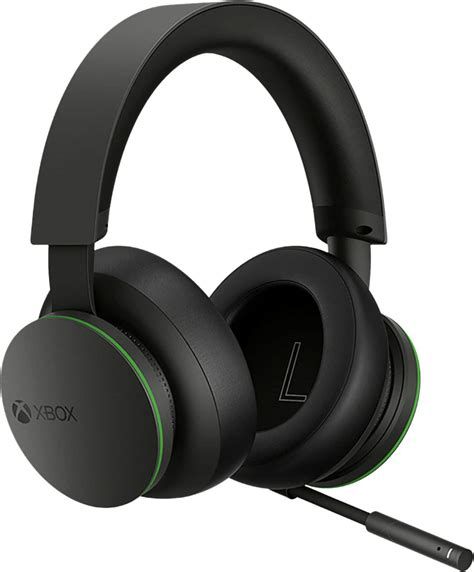
Buy a headset with a dedicated 2.4GHz dongle or USB receiver. The mid-range model I tested was the sweet spot for most competitive play — reliable, comfortable, and close enough to wired latency that I didn't change my playstyle.
Streamer or content creator
Use the headset for mobility and a standalone mic for quality. The headset mic in the premium unit was usable on stream, but a condenser or dynamic USB mic still sounded better and offered more control.
Long-term notes — what I learned after months
After eight months, the things that annoyed me most were avoidable: poor software, flaky dongles (rare, but frustrating), and cheap pads that compress quickly. The things that pleasantly surprised me were battery durability (better than a few years ago), improved mic processing, and stronger multipoint support. The premium headset proved the most durable; the budget headset taught me that saving money up front can cost comfort and longevity later.
One subtle benefit I discovered: wireless headsets changed my behavior. I played more casually at odd hours without disturbing others because I could move and adjust volume quickly. That convenience has a real value that isn't reflected in specs.
Conclusion
So, are wireless gaming headsets still good in 2026? In my experience, yes — for most people they make sense and the technology has matured. The best wireless options today give you long battery life, low-latency performance (when you choose the right radio), and a mic that's good enough for daily communication and casual streaming. If you demand the absolute lowest latency or the most detailed audio for critical listening, wired still has advantages. But for the balance of comfort, convenience, and performance I experienced over the last several months, wireless headsets are a solid choice for the majority of gamers.
When you shop, decide whether mobility or absolute performance matters more, confirm the actual wireless tech and expected battery life, and pay attention to build quality and software support. Those choices made the biggest difference in my long-term satisfaction.