I Switched to the Sony A7 V and Here is What Happened
The landscape of full-frame mirrorless cameras has reached a point of remarkable maturity, where incremental updates often struggle to justify the cost of an upgrade. However, the release of the Sony A7 V represents more than a simple iteration. For years, the "7" series has served as the backbone of the Sony ecosystem—the "standard" model that balances resolution, speed, and video capabilities. In this transition, the shift from previous generations to the A7 V reveals a profound evolution in how artificial intelligence and processing power redefine the photographic experience. This analysis explores the technical shifts, ergonomic refinements, and real-world performance benchmarks that characterize the latest entry in this iconic lineup.
The Cameras category has seen intense competition from rivals, but Sony’s strategy with the A7 V appears focused on "intelligent versatility." While the A7 IV was a hybrid powerhouse that brought 4K 60p and a 33-megapixel sensor to the masses, the A7 V pushes into a territory previously reserved for the flagship A1 and the specialized A7R series. By integrating a dedicated AI processing unit and a redesigned sensor architecture, Sony has addressed the subtle friction points that professional and enthusiast photographers have lived with for years. Switching to this system is not merely about gaining more pixels or faster burst rates; it is about the reliability of the automation and the expansion of the creative envelope.
Sensor Performance and Image Quality
The heart of the Sony A7 V is a newly developed back-illuminated Exmor R CMOS sensor. While the megapixel count has seen a modest increase to 42.4 megapixels, the real story lies in the readout speed and the dynamic range. At this resolution, the camera hits a sweet spot for modern digital imaging. It provides enough detail for substantial cropping and large-format printing without the massive storage overhead and diffraction limitations associated with 60-plus megapixel sensors. The increased resolution allows for a more flexible workflow, especially for event photographers who may need to switch between full-frame and Super 35mm crop modes while still maintaining a respectable 18-megapixel output in the latter.
Color science has been a historical point of debate for Sony users, and the A7 V introduces the latest iteration of the BIONZ XR processing engine. The result is a more nuanced rendering of skin tones and a reduction in the "digital" look that sometimes plagued earlier E-mount bodies. Under challenging lighting conditions, such as the mixed amber and blue light of a wedding reception or the harsh fluorescent glare of a commercial warehouse, the A7 V demonstrates a more sophisticated white balance algorithm. The transition between highlights and shadows is smoother, providing a roll-off that feels more cinematic and organic. For photographers who perform heavy post-processing, the 15+ stops of dynamic range offer significant latitude to recover detail in the deepest shadows without introducing unsightly chroma noise.
Low-light performance remains a hallmark of the series. Despite the increase in pixel density, the improved noise reduction algorithms and sensor wiring allow for clean images up to ISO 12,800. For street photographers working in the blue hour or interior architectural photographers relying on ambient light, the ability to push the ISO while maintaining sharp edges and color accuracy is a transformative advantage. The "switch" to this sensor feels like moving from a high-quality tool to a precision instrument that anticipates the limitations of the environment.
The AI-Driven Autofocus Revolution
If there is one single feature that defines the experience of using the Sony A7 V, it is the dedicated AI processing unit. This is the same technology first introduced in the A7R V and further refined here. Traditional autofocus systems rely on contrast and phase detection to "see" a subject. The A7 V, however, uses deep learning to "understand" the subject. It does not just look for an eye; it recognizes human skeletal structures, the tilt of a head, and the positioning of a body even when the subject is looking away or obscured by obstacles.
In real-world use cases, this translates to a "sticky" autofocus that feels almost telepathic. For wildlife photographers, the camera now identifies a broader range of animals, birds, and insects with specialized tracking modes. It can distinguish between the eye of a lion and the texture of the surrounding tall grass with remarkable precision. For sports photographers, the ability of the camera to maintain focus on a specific athlete in a crowded field, even when other players cross the frame, drastically increases the "keeper rate" of a shoot. The mental energy previously spent on managing focus points is now redirected toward composition and timing.
Furthermore, the autofocus refinements extend deeply into the video domain. The A7 V features advanced "Breathing Compensation" and "AF Assist" functions. When using supported Sony G-Master lenses, the camera electronically compensates for the shift in focal length that occurs when racking focus, a feature that was once the exclusive domain of high-end cinema glass. The switch to the A7 V essentially provides a digital focus puller that never gets tired and rarely misses its mark.
Looking for the best Cameras & Photography deals on Amazon?
Shop Amazon →Video Capabilities: A Bridge to Cinema
The distinction between the "Alpha" photo line and the "FX" cinema line continues to blur with the A7 V. For content creators and independent filmmakers, this camera offers a robust set of specifications that make it a viable A-cam for many productions. It supports 10-bit 4:2:2 internal recording across all video formats, including 4K at up to 60p without a crop (using 7K oversampling). For those needing higher frame rates, 4K 120p is available with a minor 1.1x crop, allowing for beautiful slow-motion footage without sacrificing the wide-angle perspective of full-frame optics.
One of the most significant additions for video users is the inclusion of S-Cinetone, the color profile derived from Sony’s high-end Venice cinema cameras. This profile provides a "ready-to-use" look with soft highlights and rich mid-tones, perfect for projects with tight turnaround times where extensive color grading isn't feasible. For more intensive workflows, the S-Log3 and HLG profiles remain, providing the maximum possible dynamic range. The physical hardware also supports the video experience; the addition of a full-sized HDMI port and a dedicated "Still/Movie/S&Q" dial allows for seamless transitions between different shooting modes without diving into deep menu structures.
Heat management, a common concern in compact mirrorless bodies, has been improved through a passive cooling design. While it does not feature a physical fan like the FX3, the A7 V can record 4K 60p for extended periods without thermal shutdown, making it reliable for long-form interviews and event coverage. The switch to this body means no longer fearing the "yellow heat icon" during a critical moment of a shoot.
Ergonomics and Build Quality
Physically, the Sony A7 V feels more substantial than its predecessors. The grip has been slightly deepened to accommodate larger lenses like the 70-200mm f/2.8 GM OSS II, providing better balance and reducing hand fatigue during long days of shooting. The button layout has been refined, with a more tactile shutter button and a relocated movie recording button that is easier to reach while maintaining a steady stance.
Perhaps the most appreciated physical change is the 4-axis multi-angle LCD monitor. This design combines the benefits of a tilting screen (favored by street photographers for discreet waist-level shooting) with a side-opening vari-angle screen (favored by vloggers and portrait photographers). It offers total flexibility regardless of the orientation or the angle of the shot. The Electronic Viewfinder (EVF) has also been upgraded to a 9.44 million-dot OLED panel with a 120fps refresh rate, providing an experience that is closer to looking through an optical viewfinder than ever before, with virtually zero lag.
Comparison of Technical Specifications
To understand the value proposition of the A7 V, it is helpful to see how it sits relative to its predecessor and its high-resolution sibling. The following table highlights the key differences that buyers typically consider when deciding whether to make the switch.
| Feature | Sony A7 IV | Sony A7 V | Sony A7R V |
|---|---|---|---|
| Sensor Resolution | 33 MegaPixels | 42.4 MegaPixels | 61 MegaPixels |
| Processing Engine | BIONZ XR | BIONZ XR + AI Unit | BIONZ XR + AI Unit |
| 4K Video | Up to 60p (Cropped) | Up to 60p (No Crop) | Up to 60p (No Crop) |
| AF Points | 759 Phase Detect | 850+ Phase Detect | 693 Phase Detect |
| EVF Resolution | 3.68M Dots | 9.44M Dots | 9.44M Dots |
| LCD Design | Vari-angle | 4-Axis Tilt/Flip | 4-Axis Tilt/Flip |
Pros and Cons of the Sony A7 V
Every camera involves trade-offs. While the A7 V is an exceptional all-rounder, understanding its specific strengths and weaknesses is essential for a prospective buyer.
- Pro: Class-Leading Autofocus – The AI-driven tracking is arguably the best in the industry, making it nearly impossible to miss focus on human or animal subjects.
- Pro: Versatile 42MP Resolution – High enough for professional printing and cropping, yet balanced enough for manageable file sizes and excellent low-light performance.
- Pro: Hybrid Design Excellence – The combination of the 4-axis screen, full HDMI, and dedicated stills/video switching makes it the ultimate "do-it-all" tool.
- Pro: Improved Color Science – S-Cinetone and the latest BIONZ processing deliver more pleasing aesthetics straight out of the camera.
- Con: Price Increase – The addition of flagship-tier features has pushed the "standard" 7-series into a higher price bracket than previous generations.
- Con: File Management – Moving from 24 or 33 megapixels to 42 megapixels requires faster memory cards (CFexpress Type A recommended) and more storage.
- Con: Weight – The improved build and ergonomics come with a slight increase in body weight compared to the original A7 series philosophy of "small and light."
Buying Guide: Is the Switch Right for You?
When considering an investment in the Sony A7 V, it is important to evaluate your current gear and your primary shooting style. This camera is designed for the professional "hybrid" user—someone who earns their living (or spends their serious hobby time) shooting a mix of high-quality stills and professional-grade video.
Find top-rated Cameras & Photography products at great prices.
View Offers →For Owners of the Sony A7 III or Earlier
If you are still using the A7 III, the switch to the A7 V will feel like entering a different era of technology. You will gain a significant jump in resolution, a night-and-day difference in autofocus reliability, and a massive leap in video bit-depth and color options. The ergonomics alone—including the better EVF and the flip screen—justify the upgrade for anyone working in a professional capacity.
For Owners of the Sony A7 IV
The decision here is more nuanced. The A7 IV remains a very capable camera. However, if you find yourself struggling with autofocus in complex environments (like sports or weddings), or if you require uncropped 4K 60p video, the A7 V offers tangible improvements. The addition of the AI processor is the primary motivator; if your work relies on the camera "never missing," the internal hardware upgrade of the V is a significant productivity booster.
For Specialized Photographers
If you are exclusively a landscape photographer, you might still find the extra resolution of the A7R V more appealing. Conversely, if you are exclusively a sports photographer, the stacked sensor and 30fps burst rate of the Sony A1 or A9 series remain the gold standard. The A7 V is for the person who does a bit of everything and needs a primary body that can adapt to any assignment without compromise.
System Considerations
Remember that to truly take advantage of the A7 V, your lens selection is critical. The 42-megapixel sensor and high-speed AI tracking require lenses with fast linear motors. Using older screw-drive or early-generation E-mount lenses may bottleneck the camera’s performance. Investing in modern G-Master or high-end third-party optics is necessary to see the full benefit of the "switch." Additionally, factor in the cost of CFexpress Type A cards; while the camera has dual SD slots, the faster cards are required to clear the buffer quickly during high-speed bursts and to enable certain high-bitrate video modes.
Conclusion
The Sony A7 V represents the pinnacle of the "all-rounder" camera. By incorporating advanced artificial intelligence and high-tier hardware into the standard 7-series body, Sony has narrowed the gap between its enthusiast offerings and its professional flagships. The experience of switching to this camera is defined by a sense of confidence. Whether you are capturing a fleeting expression in a portrait session, tracking a bird through a dense canopy, or filming a cinematic sequence in low light, the A7 V acts as an invisible assistant, handling the technical complexities so the photographer can focus on the art.
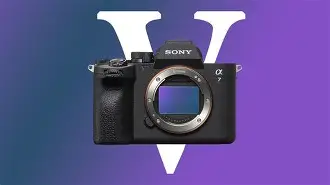
While the hardware specifications—the resolution, the frame rates, the ports—are impressive on paper, the true value of the A7 V is found in the reliability of its output. In an industry where "getting the shot" is the only metric that truly matters, this camera provides a level of consistency that was previously unthinkable in a body of this size and price point. The evolution of the Sony ecosystem continues to set the pace for the industry, and with the A7 V, the standard has once again been raised.