Biggest Inzone Buds Truly Wireless Buying Mistakes (And How to Avoid Them)
Shopping for premium gaming earbuds sounds simple at first: find a compact pair with low latency, good sound, and enough battery life to survive long sessions. In practice, buyers often discover that truly wireless earbuds are full of tradeoffs. That is especially true with the Inzone Buds Truly Wireless, a product aimed at people who want the convenience of earbuds without giving up too much of the performance typically associated with larger gaming headsets.
The biggest mistake many shoppers make is assuming that all premium wireless earbuds solve the same problems equally well. Some are built for commuting first, some for gym use, and some for calls. The Inzone Buds sit in a more specialized space: they are designed with gaming, low-latency wireless performance, and multi-device flexibility in mind. That makes them compelling, but it also means they can disappoint buyers who expect them to behave exactly like mainstream music-first earbuds.
This article breaks down the most common buying mistakes people make when considering the Inzone Buds Truly Wireless, explains where the product shines, and shows how buyers can match expectations to actual use. For anyone comparing gaming earbuds for PlayStation, PC, handheld gaming, or daily carry, understanding these pitfalls can prevent an expensive mismatch.
What the Inzone Buds Truly Wireless Are Really For
The Inzone Buds Truly Wireless are best understood as gaming-focused wireless earbuds that try to bridge two worlds: portable everyday listening and low-latency play. Many shoppers approach them as if they are simply another premium pair of Bluetooth earbuds. That framing leads to the wrong comparisons and, often, the wrong buying decisions.
For the right user, the appeal is obvious. They are smaller and easier to pack than over-ear gaming headsets, they avoid the bulk and heat buildup that some players dislike, and they can be more comfortable for people who wear glasses or game in warmer environments. They also fit real-world scenarios that many buyers care about: late-night gaming in shared spaces, travel-friendly handheld gaming, switching between a laptop and a phone, or taking voice chat without wearing a large headset in public-facing spaces.
Still, the product is not universal. A buyer who mainly wants the widest soundstage for cinematic single-player games, or the most secure fit for running workouts, or the absolute best microphone quality for work calls may be better served elsewhere. Understanding the intended use case is the first step in avoiding a regrettable purchase.
Detailed Analysis: Strengths and Tradeoffs
Sound and Gaming Performance
One of the main reasons buyers look at the Inzone Buds is the promise of a more responsive wireless experience than standard Bluetooth earbuds can typically provide. For gaming, that matters. Audio lag can be distracting in competitive shooters, rhythm games, or any title where footsteps, reload cues, or timing-sensitive effects need to line up closely with on-screen action.
That makes the product appealing to players using PC, PlayStation, or portable gaming setups who want the convenience of earbuds without as much compromise in responsiveness. In practical use, this is one of the product’s strongest selling points. Buyers who prioritize latency performance over fashion-oriented lifestyle features are more likely to appreciate what the Inzone Buds are trying to do.
Sound quality itself is another area where expectations matter. Buyers sometimes assume gaming earbuds will sound exaggerated, with boomy bass and harsh treble designed only to make explosions feel bigger. In reality, what many buyers care about is a balance between immersion and useful detail. Footstep cues, directional effects, dialogue intelligibility, and separation all matter more than just raw impact. The Inzone Buds are most valuable when judged through that lens rather than treated as bass-first entertainment earbuds.
Comfort and Everyday Use
Earbuds live or die on fit. This is one of the most common points of buyer regret in the entire category. A pair can have great battery life, strong features, and excellent tuning, but if the fit causes pressure after an hour, slips during movement, or never seals properly, the rest hardly matters.
The Inzone Buds can be a smart choice for gamers who dislike the clamp force of over-ear headsets or want something light enough for couch sessions, handheld gaming, and travel. However, many buyers make the mistake of focusing only on the feature list and not enough on ear shape, tip selection, and listening duration. Buyers with smaller ears, sensitivity to in-ear designs, or a history of struggling with earbud fit should be especially careful. Even a technically strong product may not be the right product if long-session comfort is the top priority.
Battery Life and Practical Longevity
Another area where shoppers get tripped up is battery expectations. Truly wireless earbuds are often marketed with ambitious runtime figures, but real-world results depend heavily on volume, connection mode, voice chat use, and extra features. Gamers who use voice chat regularly, toggle active features, or switch between devices should expect results that differ from ideal lab-style numbers.
For many buyers, battery life is not just about total hours. It is about whether the earbuds can survive a full evening raid, a cross-country flight, several days of commuting, or back-to-back meetings and gaming sessions without anxiety. The Inzone Buds make the most sense for users who want a portable setup with solid endurance, but buyers should think in terms of their actual routine rather than marketing shorthand.
Microphone and Communication
Many shoppers assume that if earbuds are designed for gaming, microphone quality will automatically rival a dedicated boom mic. That is rarely true in the earbud category. Convenience and acceptable communication are realistic goals; studio-like vocal clarity is not.
Find top-rated Audio & Headphones products at great prices.
View Offers →For team chat, Discord calls, quick multiplayer sessions, and casual work communication, the Inzone Buds may be perfectly adequate. But buyers who stream, attend frequent client-facing calls, or care deeply about broadcast-style voice pickup should not build their purchase around unrealistic mic expectations. This is one of the easiest mistakes to avoid: define whether the mic needs to be merely usable or genuinely excellent.
Biggest Buying Mistakes Buyers Make
Mistake 1: Treating Them Like General-Purpose Lifestyle Earbuds First
The Inzone Buds are not best evaluated as a direct substitute for every premium everyday earbud on the market. Buyers who mainly want the best possible music tuning for commuting, top-tier call noise suppression in busy streets, or the most polished smartphone-first ecosystem features may end up underwhelmed if they buy these for the wrong reasons.
How to avoid it: Buyers should rank their priorities honestly. If gaming performance, low-latency wireless use, and compact play sessions matter most, the Inzone Buds make sense. If the earbuds will spend 90 percent of their time on music, office calls, and commuting, buyers should compare them against mainstream premium earbuds before deciding.
Mistake 2: Ignoring Fit Until After Purchase
Too many buyers think comfort is secondary. In reality, fit is foundational. A poor seal can weaken bass, reduce isolation, and make the earbuds feel unstable. A shape mismatch can turn a two-hour gaming session into an uncomfortable experience.
How to avoid it: Buyers should pay close attention to included ear tip options, prior experience with in-ear products, and how long they actually wear earbuds in one sitting. Someone who only listens for 30 minutes at a time may tolerate a fit that a three-hour gamer cannot.
Mistake 3: Assuming All Wireless Modes Behave the Same
Another major buying error is treating all wireless connections as equal. For gaming earbuds, the difference between standard Bluetooth use and lower-latency gaming-oriented connectivity can be meaningful. Buyers often read a feature list without understanding how they will actually connect in daily use.
How to avoid it: Buyers should map out their setup before purchase. Will the earbuds be used mainly with a PlayStation, gaming PC, handheld, laptop, or phone? Will switching devices be a daily habit or an occasional convenience? Thinking through the real workflow prevents frustration later.
Mistake 4: Expecting Over-Ear Headset Soundstage From Earbuds
Earbuds and over-ear headphones create different listening experiences. Even excellent earbuds often present games, films, and music differently than full-size headsets. Buyers moving from large gaming headphones sometimes expect the same spaciousness, scale, and passive isolation from a much smaller product.
How to avoid it: Buyers should view the Inzone Buds as a compromise product in the best sense: they trade some of the physical presence of large headsets for portability, comfort, and flexibility. The purchase makes more sense when judged by category realities rather than impossible expectations.
Mistake 5: Overestimating the Microphone
Gamers who play competitively often care about voice clarity almost as much as audio playback. But tiny built-in earbud microphones are limited by design and placement. That does not mean they are bad; it means they should be evaluated realistically.
How to avoid it: Buyers should decide whether they need clean team communication or creator-level vocal quality. For the former, gaming earbuds may be sufficient. For the latter, a headset or dedicated microphone setup remains the safer choice.
Mistake 6: Not Thinking About Non-Gaming Use Enough
It is easy to focus entirely on gaming, but many buyers want one pair of earbuds to do everything: podcasts during chores, music at work, travel use, video calls, and gaming at night. The more jobs a product is asked to do, the more important tradeoffs become.
How to avoid it: Buyers should list their top three use cases. If gaming is first and the other two are casual listening and travel, the Inzone Buds are easier to justify. If office calls and all-day wear dominate the schedule, that changes the evaluation.
Pros and Cons
Pros
- Compact gaming-friendly form factor that is easier to travel with than a full-size headset
- Appealing for low-latency play compared with many standard Bluetooth-only earbuds
- Useful for shared living spaces where large headsets feel intrusive or uncomfortable
- Good option for glasses wearers who dislike headset pressure around the ears and temples
- Versatile enough for mixed use across gaming, casual listening, and mobile devices
- Less bulky for handheld gaming on the couch, in bed, or while traveling
Cons
- Fit can be highly personal, making comfort less predictable than with over-ear options
- Microphone expectations need to stay realistic for serious voice or creator use
- Not automatically the best choice for music-first buyers seeking a lifestyle audio product above all else
- Earbuds cannot fully replicate the spacious feel of larger gaming headsets
- Battery performance depends heavily on real-world usage, especially chat and feature use
- Buyers may pay for gaming-focused strengths they will not actually use in everyday listening
Comparison Table: When the Inzone Buds Make Sense
| Buyer Type | What They Usually Care About | How the Inzone Buds Fit | Potential Risk |
|---|---|---|---|
| Competitive gamer | Low latency, clear positional cues, reliable chat | Strong match if portability and earbud form factor matter | May still prefer a dedicated headset mic |
| PS5 or PC player in shared spaces | Comfort, convenience, less bulk, quieter setup | Very good fit for late-night or couch gaming | Fit sensitivity can become a deal-breaker |
| Commuter who also games | One product for travel, music, calls, and gaming | Works if gaming is a major part of the value equation | May not be ideal if music and call quality come first |
| Streamer or remote professional | Microphone quality, all-day calls, polished vocal pickup | Only a partial fit | Mic limitations may disappoint |
| Buyer replacing a large gaming headset | Similar immersion in a smaller size | Good for convenience and comfort | Should not expect the same soundstage or presence |
Buying Guide: How to Decide Correctly
1. Start With the Main Use Case, Not the Feature List
Feature lists can be misleading because they flatten all products into a checklist. The smarter approach is to begin with usage. Is the buyer mainly playing shooters on a console? Traveling with a gaming handheld? Taking occasional work calls? Listening to music while commuting? The answer changes whether the Inzone Buds are a standout choice or merely an acceptable one.
Looking for the best Audio & Headphones deals on Amazon?
Browse Now →For example, a college student in a dorm may value compactness, private gaming, and the ability to shift quickly between laptop entertainment and multiplayer sessions. That person may find the Inzone Buds unusually practical. A home-office worker who spends six hours a day on meetings may need a different type of product entirely.
2. Be Honest About Comfort Tolerance
Buyers often underestimate how different earbud comfort feels across sessions. Some people can wear in-ear products for hours without thinking about them. Others feel pressure quickly, no matter how advanced the product is.
Anyone considering the Inzone Buds should think beyond first impressions. The real question is not whether the earbuds feel acceptable for ten minutes, but whether they remain comfortable through a full gaming night, a flight, or a long workday. Comfort is not a minor factor in the earbud category; it is the category.
3. Match the Product to the Gaming Setup
Gaming audio products should always be evaluated within the buyer’s actual hardware ecosystem. A player on PC with multiple communication apps and peripherals may care about different connection behavior than someone using a single console in the living room.
Buyers should think through how often they switch devices, whether they game from a desk or a couch, and whether they need their earbuds to function as a daily companion rather than just a gaming accessory. The more specific the setup, the easier it is to judge whether the Inzone Buds deliver genuine value.
4. Separate “Nice to Have” From “Need to Have”
This is one of the best ways to avoid overspending. Many shoppers are drawn to premium gaming earbuds because they combine multiple desirable traits: compact size, modern styling, gaming relevance, and cross-device flexibility. But not every attractive feature is essential.
Buyers should make two lists. The first should include non-negotiables such as stable fit, gaming responsiveness, and enough battery for an evening session. The second should include bonuses such as stronger everyday music performance or broader travel convenience. If the Inzone Buds check the first list cleanly, they are a serious contender. If they mainly satisfy the second list, they may be the wrong buy.
5. Do Not Buy Them to Solve Every Audio Problem
A common mistake in premium audio shopping is asking one product to replace several specialized tools. Buyers want earbuds for gaming, work, calls, commuting, workouts, and immersive movie watching all at once. Some products come close, but every category has limits.
The Inzone Buds are most convincing when they are purchased for the problems they are actually good at solving: reducing headset bulk, improving portable gaming convenience, supporting low-latency play, and offering a more flexible alternative to traditional gaming headphones. Buyers expecting perfection across every use case are far more likely to be disappointed.
Final Verdict
The Inzone Buds Truly Wireless can be an excellent buy, but only when the buyer understands what they are and what they are not. They are not simply premium everyday earbuds with a gaming label attached, nor are they a magic replacement for every over-ear headset. They sit in a narrower but very useful lane: a compact, gaming-oriented earbud option for people who value responsiveness, flexibility, and a lighter form factor.
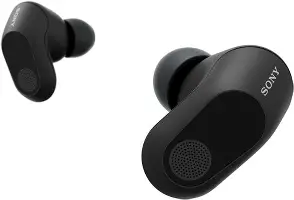
The biggest buying mistakes come from mismatched expectations. Buyers who ignore fit, overestimate microphone quality, assume all wireless modes behave the same, or expect over-ear immersion from earbuds are the ones most likely to regret the purchase. Buyers who prioritize practical gaming use, honest comfort expectations, and real-world device habits are much more likely to see the Inzone Buds as a smart solution.
For the right person, that solution is compelling: less bulk, easier travel, more comfortable gaming in certain situations, and a more modern alternative to traditional headsets. The key is not buying them because they look versatile on paper. It is buying them because they match the way the user actually listens, plays, and lives.